Report for CSW70, Prepared by Perya Short, GWNZ International (CIR) Lead, March 2026
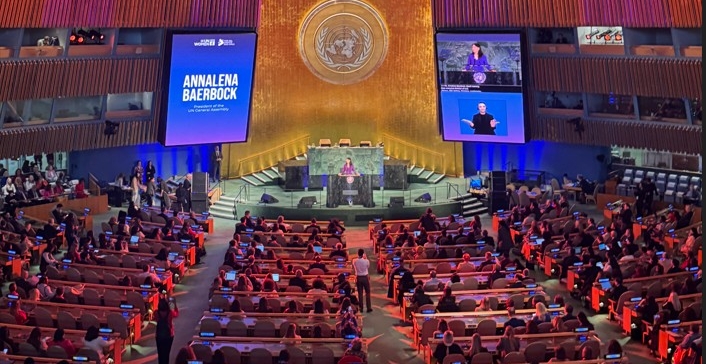
The seventieth session of the Commission on the Status of Women took place at United Nations Headquarters in New York from 9 to 19 March 2026. The priority theme this year was “ensuring and strengthening access to justice for all women and girls,” with a review theme concerning women’s full and effective participation in public life and the elimination of violence.
Around 3,000 women attended from around the world, about half the usual number due to difficulties obtaining visas because of the current American administration’s strict immigration rules, and general fears about international travel due to the global security situation.
GWNZ was well represented. Perya Short, our GWNZ Advocacy and International Lead was joined by our President (Otila Osborne) and four other members: Dr Shirley Gillett GWI Vice President Education, Dr Ioanna Katiforis, Anna Campbell Advocacy and Phoebe Rose Osborne (Youth and Membership Representative). We were in a group of other Aotearoa NGO women as well as officials from Mānatu Wāhine.
Unusually, the text for the Agreed Conclusions arising from the Conference was negotiated before the conference by the member states. NGOs were given very brief opportunities to contribute to the two drafts but it was gratifying to see in the final document that all the revisions suggested by GWNZ were included. The Agreed Conclusions were adopted through a recorded vote for the first time in CSW history, due to challenges during the negotiating process from the United States.
Key Commitments
The Agreed Conclusions reaffirm and advance global commitments to gender equality and human rights, including:
Access to Justice: Promoting inclusive and equitable legal systems, eliminating discriminatory laws, policies, and practices, and addressing structural barriers that hinder women’s and girls’
Sexual and Reproductive Health and Rights (SRHR):
Reaffirming university access to sexual and reproductive health and reproductive rights, while emphasizing sustainable resources for survivor-centred services
Linking labor rights with gender equality, including equal pay, protection against workplace discrimination, and elimination of violence and harassment at work.
Recognizing multiple and intersecting forms of discrimination as key barriers to justice and equality.
Strengthening prevention, investigation, prosecution, and accountability for sexual and gender-based violence, including technology-facilitated violence.
Ensuring safe and enabling environments for civil society, including youth-led, feminist and faith based organisations, with access to predictable, flexible, and multiyear funding.
Humanitarian and Conflict Setting:
Emphasizing access to justice and reparations in conflict and post-conflict contexts, including proactive measures against sexual violence.
GWNZ will look for opportunities in Aotearoa to advocate on these Commitments with government."